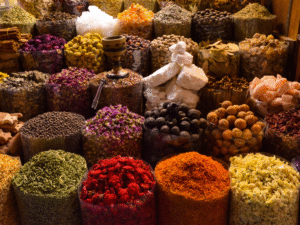
India has long been celebrated as the land of spices. From the bustling spice markets of Kochi to the fragrant fields of Kerala and the arid farms of Rajasthan, Indian spices hold a place of pride not only in the country’s kitchens but also in its history, economy, and culture. They are more than just flavor enhancers; they are stories of tradition, trade, wellness, and heritage carried across centuries.
A Journey Through History
Spices have been an integral part of India’s history for over 4,000 years. Ancient texts such as the Vedas mention the use of spices like turmeric, cinnamon, and black pepper for cooking, healing, and rituals. Indian spices were so highly prized that they attracted traders from faraway lands—Arabs, Romans, and later the Portuguese, Dutch, French, and British.
It was the lure of Indian spices, particularly pepper and cloves, that fueled maritime exploration and changed the course of world history. Even today, spices remain one of India’s most valuable exports, connecting the kitchens of the world with the fields of India.
Diversity of Indian Spices
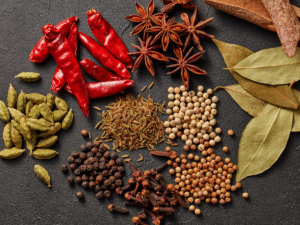
India produces more than 75 varieties of spices out of the 109 listed by the International Organization for Standardization (ISO). Each spice tells the story of the region it comes from, shaped by the climate, soil, and culture.
- Turmeric (Haldi): Known as the golden spice of India, turmeric is widely used in cooking for its earthy flavor and in Ayurveda for its anti-inflammatory properties.
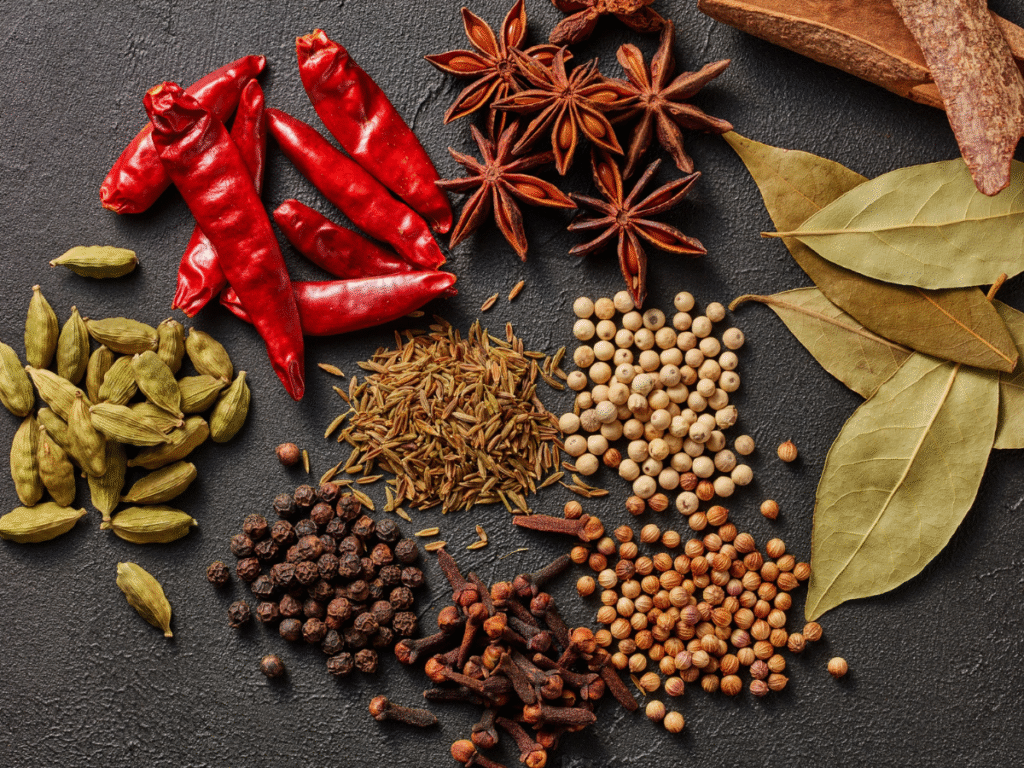
- Black Pepper (Kali Mirch): Often called the “king of spices,” it originated in the Western Ghats of Kerala and became one of the most traded spices in the ancient world.
- Cardamom (Elaichi): Referred to as the “queen of spices,” cardamom is grown in Kerala and Karnataka and is cherished for its sweet, aromatic flavor.
- Cloves (Laung): Native to the Maluku Islands but grown extensively in South India, cloves add warmth and depth to curries and teas.
- Cumin (Jeera): With its nutty, peppery flavor, cumin seeds are a staple in Indian kitchens, used in tempering, curries, and spice blends.
- Red Chili (Lal Mirch): Introduced to India by the Portuguese, chili has become a vital spice, adding heat and vibrancy to Indian food.
- Coriander (Dhania): Both seeds and leaves are used widely for their fresh, citrusy flavor.
This diversity ensures that Indian cuisine is not limited to one taste or aroma but is instead a colorful medley of flavors ranging from hot and pungent to sweet and aromatic.
- Turmeric (Haldi): Known as the golden spice of India, turmeric is widely used in cooking for its earthy flavor and in Ayurveda for its anti-inflammatory properties.
Spices in Indian Cuisine
Spices are the soul of Indian cooking. They are not just sprinkled into dishes but are thoughtfully combined to create balanced layers of flavor. Each region of India has its own unique spice traditions:
- In North India, garam masala—a mix of cardamom, cloves, cinnamon, and cumin—is often used to enrich curries.
- In South India, mustard seeds, curry leaves, and dried red chilies are tempered in hot oil to infuse flavor into dals and chutneys.
- In Western India, spices like fenugreek, ajwain, and asafoetida are common in vegetarian dishes.
- In Eastern India, mustard seeds and mustard oil give a distinct punch to dishes, while poppy seeds add creaminess.
Indian households also create their own spice blends, recipes passed down through generations. The precise mix, quantity, and roasting of spices often define a family’s culinary identity.
Beyond Flavor: The Health Benefits of Spices
Spices in India are deeply intertwined with Ayurveda, the ancient science of holistic healing. Each spice is valued not just for taste but also for its therapeutic properties:
- Turmeric: A natural antiseptic and immunity booster.
- Ginger: Helps in digestion and relieves nausea.
- Cinnamon: Known to regulate blood sugar levels.
- Cardamom: Aids digestion and freshens breath.
- Fenugreek: Improves metabolism and supports heart health.
Modern science continues to validate many of these age-old beliefs, highlighting the nutritional and medicinal potential of spices.
Indian Spices in the Global Market
Today, India is the world’s largest producer, consumer, and exporter of spices. The Indian spice industry exports to more than 180 countries, making it a global leader. Indian spices are sought after not only for their flavor but also for their purity and organic cultivation practices.
The demand for organic spices has grown tremendously in recent years, with consumers across the world seeking clean, chemical-free food products. Indian farmers and exporters have adapted to this demand, cultivating spices organically while maintaining their natural richness and authenticity.
Spices as Cultural Symbols
In India, spices are not just ingredients; they are part of cultural rituals and traditions. From festive biryanis fragrant with saffron and cardamom to the daily masala chai infused with ginger and cloves, spices weave into every aspect of Indian life. They are offered in religious rituals, gifted during celebrations, and even used in traditional beauty treatments.
The Future of Indian Spices
As the world embraces healthier eating, Indian spices are becoming key players in global cuisines. Turmeric lattes, spice-infused teas, and herbal blends are now mainstream worldwide, showcasing the adaptability of Indian flavors. With the rise of gourmet cooking, spice-based condiments, and ready-to-use masalas, Indian spices continue to reinvent themselves for modern lifestyles.
Conclusion
Indian spices are more than just kitchen essentials—they are a heritage, a way of life, and a gift from India to the world. They embody centuries of tradition, health wisdom, and culinary artistry. Whether it’s the fiery punch of chili, the earthy warmth of cumin, or the golden glow of turmeric, Indian spices continue to captivate hearts and taste buds across the globe.
For anyone who wants to understand India, its diversity, and its culture, there is no better place to begin than with its spices.