India and spices are inseparable. Known as the “Spice Bowl of the World,” India has been cultivating, consuming, and exporting spices for thousands of years. More than just flavoring agents, Indian spices represent history, culture, wellness, and a way of life. Whether it is the golden glow of turmeric, the fiery heat of red chili, or the sweet aroma of cardamom, each spice tells a story that spans centuries and continents.
The Historical Legacy of Indian Spices
Spices have played a central role in shaping India’s history and global trade. Ancient Indian scriptures, including the Vedas, mention spices like turmeric and black pepper not only for cooking but also for medicinal and religious purposes.
The spice trade routes connected India with Rome, Egypt, Arabia, and later with Europe. Pepper, famously known as “black gold,” was so valuable that it was often used as currency. It was the pursuit of Indian spices that brought explorers like Vasco da Gama and Christopher Columbus to uncharted seas, forever changing the world map.
This heritage continues today, with India being the largest producer, exporter, and consumer of spices, supplying to more than 180 countries.
Diversity of Indian Spices
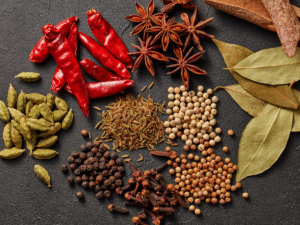
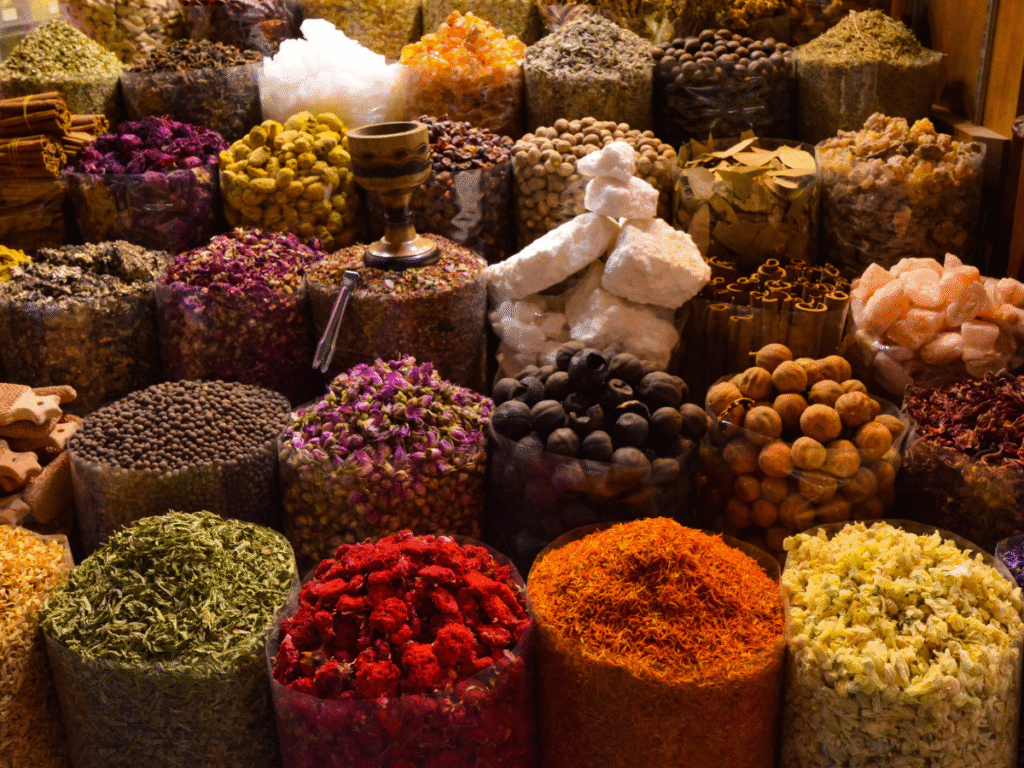
One of the reasons Indian spices are celebrated globally is their sheer variety. India grows over 75 of the 109 internationally recognized spices, making it one of the most diverse spice-producing nations. Some of the most prominent include:
Turmeric (Haldi): Called the golden spice, it is prized for its earthy taste and medicinal qualities.
Black Pepper (Kali Mirch): Originating from Kerala, it is known as the king of spices.
Cardamom (Elaichi): Sweet and aromatic, this “queen of spices” is essential in sweets, teas, and biryanis.
Cumin (Jeera): Its nutty, peppery flavor enhances curries and spice blends.
Cloves (Laung): Used in both savory and sweet dishes, they add warmth and depth.
Red Chili (Lal Mirch): Introduced by the Portuguese, it has become a cornerstone of Indian cuisine.
Coriander (Dhania): Adds a citrusy freshness, used in both seed and leaf form.
Fenugreek (Methi): Slightly bitter, it is widely used in curries and pickles.
Each spice reflects the geography and culture of the region it comes from, which is why cuisines across India are so distinct and flavorful.
Spices in Indian Cuisine
Spices are the foundation of Indian cooking. They do not simply add heat or aroma; they create layers of flavor that transform simple ingredients into unforgettable meals.
In North India, garam masala—a blend of spices like cinnamon, cardamom, cumin, and cloves—adds warmth to curries and dals.
In South India, tempering mustard seeds, curry leaves, and chilies in hot oil creates a burst of flavor that defines dishes like sambar and rasam.
In Western India, spices like ajwain, asafoetida, and fenugreek are essential in vegetarian delicacies.
In Eastern India, mustard seeds and mustard oil dominate, giving dishes a sharp, pungent character.
Every household often has its own secret masala recipe, handed down for generations, making spice use in India both a cultural and personal expression.
Health and Healing with Spices
Indian spices are deeply linked with Ayurveda, the ancient Indian system of holistic healing. For centuries, they have been used not only for taste but also for their therapeutic benefits:
Turmeric: Natural anti-inflammatory and immunity booster.
Ginger: Helps digestion and relieves nausea.
Cinnamon: Known for stabilizing blood sugar levels.
Cumin: Improves metabolism and aids in digestion.
Cardamom: Relieves acidity and freshens breath.
Fenugreek: Supports heart and digestive health.
Modern science continues to validate many of these health claims, leading to the global popularity of turmeric lattes, ginger teas, and spice-infused health supplements.
Indian Spices in Global Kitchens
The global love for Indian spices is evident in their widespread use. Curries, masalas, spice blends, and teas infused with Indian spices have found fans in every corner of the world. Indian spices are not confined to Indian cuisine; they are increasingly being used in fusion dishes, beverages, baked goods, and even chocolates.
For example, cinnamon rolls, chai lattes, and turmeric smoothies are now popular in Western cafés, showcasing how seamlessly Indian spices adapt across cuisines.
Organic and Sustainable Spices
As consumers worldwide become more health-conscious, the demand for organic and chemical-free spices has grown rapidly. India has responded by cultivating organic spices that are free from pesticides, ensuring purity and authenticity.
Sustainability is another focus, with farmers practicing crop rotation, intercropping, and shade-grown cultivation. This not only preserves soil health but also maintains the traditional ecosystem in spice-growing regions.
Cultural Significance of Spices
In India, spices are woven into every aspect of life. They are part of festivals, rituals, and traditional practices:
Spices like turmeric and sandalwood are used in religious ceremonies.
Sweets flavored with cardamom and saffron are integral to celebrations.
Spice blends are often gifted during weddings and festive occasions.
Beyond food, spices play roles in beauty (turmeric face masks), wellness (herbal teas), and home remedies passed down through generations.
Conclusion
Indian spices are not just culinary ingredients; they are the essence of India’s identity. They have shaped global history, inspired trade, enriched cuisines, and continue to promote health and wellness. Their versatility, cultural importance, and health benefits make them invaluable to kitchens across the world.
From the fiery punch of chili to the golden warmth of turmeric, Indian spices are treasures that embody the richness and diversity of India. They connect the past with the present, tradition with innovation, and India with the world.
For anyone who wishes to experience the heart of Indian culture, a journey through its spices is the most flavorful beginning.