Few beverages command as much global love and attention as coffee. From the aroma of freshly brewed beans in the morning to the energizing sip that fuels long conversations and creativity, coffee is more than just a drink—it is an experience, a culture, and for many, a daily ritual. With a history as rich as its flavor, coffee has woven itself into societies across the globe, becoming one of the most consumed beverages in the world.
A Brief History of Coffee
The origins of coffee can be traced back over a thousand years to the ancient coffee forests of Ethiopia. Legend has it that a goat herder named Kaldi discovered the stimulating effect of coffee beans when he noticed his goats becoming unusually energetic after eating them. Word spread, and coffee soon traveled to Yemen, where it was cultivated and became part of Sufi religious rituals.
By the 15th century, coffee was being traded across the Middle East and introduced to Europe through Venetian merchants. Coffee houses, known as “penny universities,” emerged in cities like London and Paris, becoming centers for intellectual debate, commerce, and community. Eventually, coffee spread across continents, shaping global trade and lifestyles. Today, it is the second most traded commodity in the world after crude oil.
Types of Coffee Beans
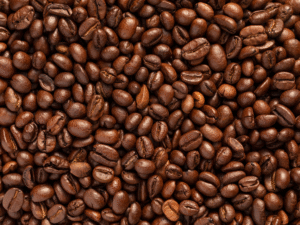
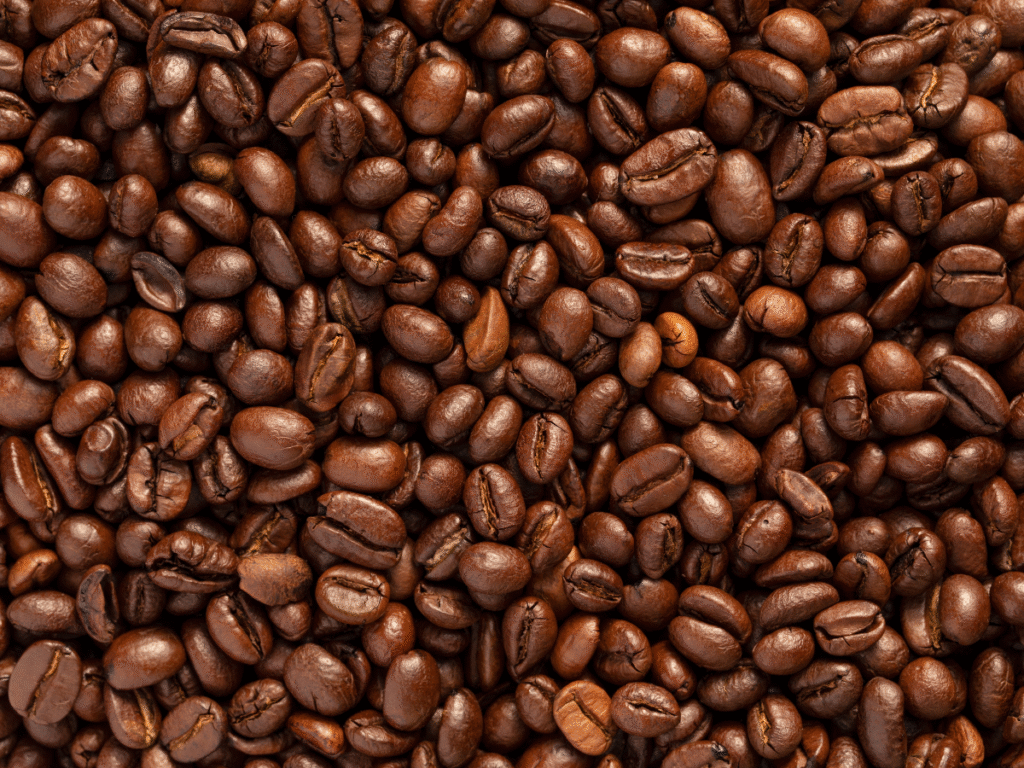
All coffee is not created equal. There are two primary species of coffee beans that dominate the global market:
Arabica: Known for its smooth, mild flavor with hints of sweetness, Arabica accounts for around 60–70% of global coffee production. It thrives in higher altitudes and cooler climates.
Robusta: Stronger and more bitter than Arabica, Robusta beans contain more caffeine and are often used in espresso blends and instant coffee. They are hardy plants that grow at lower altitudes and are more resistant to pests.
Within these categories, countless varieties and hybrids exist, each with unique characteristics influenced by soil, climate, and processing methods.
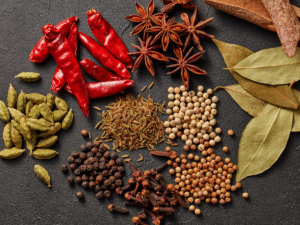
India, particularly the southern states of Karnataka, Kerala, and Tamil Nadu, has carved its place in the coffee world with its shade-grown Arabica and Robusta beans, often intercropped with spices like cardamom and pepper, which add distinctive flavor profiles.
The Journey from Bean to Cup
Coffee is grown in more than 70 countries, primarily within the “Coffee Belt”—a band around the equator that includes Latin America, Africa, and Asia.
Latin America: Countries like Brazil and Colombia are global leaders in coffee production, known for their smooth and well-balanced beans.
Africa: Ethiopia and Kenya produce coffee with bright acidity and fruity notes, cherished by specialty coffee enthusiasts.
Asia: India, Vietnam, and Indonesia contribute significantly, offering bold, full-bodied flavors, often with earthy or spicy undertones.
India, particularly the southern states of Karnataka, Kerala, and Tamil Nadu, has carved its place in the coffee world with its shade-grown Arabica and Robusta beans, often intercropped with spices like cardamom and pepper, which add distinctive flavor profiles.
The Journey from Bean to Cup
Transforming a raw coffee cherry into a steaming cup involves several meticulous steps:
Harvesting: Coffee cherries are typically handpicked to ensure quality.
Processing: The beans are separated from the fruit using either the dry (natural) method or the wet (washed) method.
Drying and Milling: Beans are dried, hulled, and sorted.
Roasting: This is where the magic happens—heat transforms green beans into aromatic brown beans, releasing oils that create the flavors we know.
Grinding and Brewing: The grind size is adjusted depending on the brewing method—espresso, French press, pour-over, or drip.
Every stage plays a role in shaping the final flavor, which is why coffee is often described as an art and science combined.
Coffee in Everyday Life
Coffee is more than caffeine—it is culture. For some, it is the morning ritual that signals the start of the day. For others, it is a social connector, bringing friends, colleagues, or even strangers together in cafés. In workplaces, coffee breaks foster productivity and collaboration.
Globally, coffee culture varies widely:
In Italy, espresso is enjoyed quickly at the bar.
In Turkey, strong coffee is brewed in small pots and often read for fortune-telling.
In Scandinavia, people consume some of the highest amounts of coffee per capita, often black and strong.
In India, filter coffee is a beloved tradition in the South, made with chicory blends and served frothy in steel tumblers.
Health Benefits of Coffee
While often debated, research shows that moderate coffee consumption can have several health benefits:
Rich in Antioxidants: Coffee is one of the largest sources of antioxidants in modern diets.
Boosts Energy and Focus: The caffeine in coffee stimulates the central nervous system, improving alertness and concentration.
Supports Metabolism: Coffee can aid in fat burning and metabolic health.
Linked to Longevity: Studies suggest coffee drinkers may have a lower risk of diseases such as Parkinson’s, Alzheimer’s, and type 2 diabetes.
Of course, balance is key—excessive consumption can lead to insomnia, anxiety, or digestive issues.
The Specialty Coffee Movement
In recent decades, coffee has evolved beyond mass consumption into a refined, artisanal product. The specialty coffee movement emphasizes quality, traceability, and sustainability. Small farmers, direct trade practices, and eco-friendly cultivation methods are becoming central to the industry.
Consumers are now more curious about where their coffee comes from, how it is roasted, and the ethical practices behind it. Baristas, much like sommeliers, craft unique experiences with latte art, single-origin brews, and innovative brewing techniques.
Coffee and Sustainability
As climate change affects global agriculture, the coffee industry faces challenges such as rising temperatures, unpredictable rainfall, and pests. This has sparked initiatives focused on sustainable farming, shade-grown cultivation, and fair-trade practices to ensure the longevity of coffee farming communities and ecosystems.
Consumers can play a role too—by choosing organic, fair-trade, and responsibly sourced coffee, they contribute to a healthier planet and fairer livelihoods for farmers.
Conclusion
Coffee is more than just a beverage—it is history, culture, economy, and community in a cup. From its humble beginnings in Ethiopia to its global presence today, coffee continues to evolve, adapt, and inspire. Whether you prefer a bold espresso, a creamy cappuccino, or a traditional South Indian filter coffee, every sip connects you to a story centuries in the making.
For millions around the world, coffee is not just about staying awake; it’s about savoring moments, fueling creativity, and building connections. Truly, coffee is the world’s favorite brew.